We Came From the Sea: Three Powerful Pacific Works Come Together for the 2026 Triple Bill
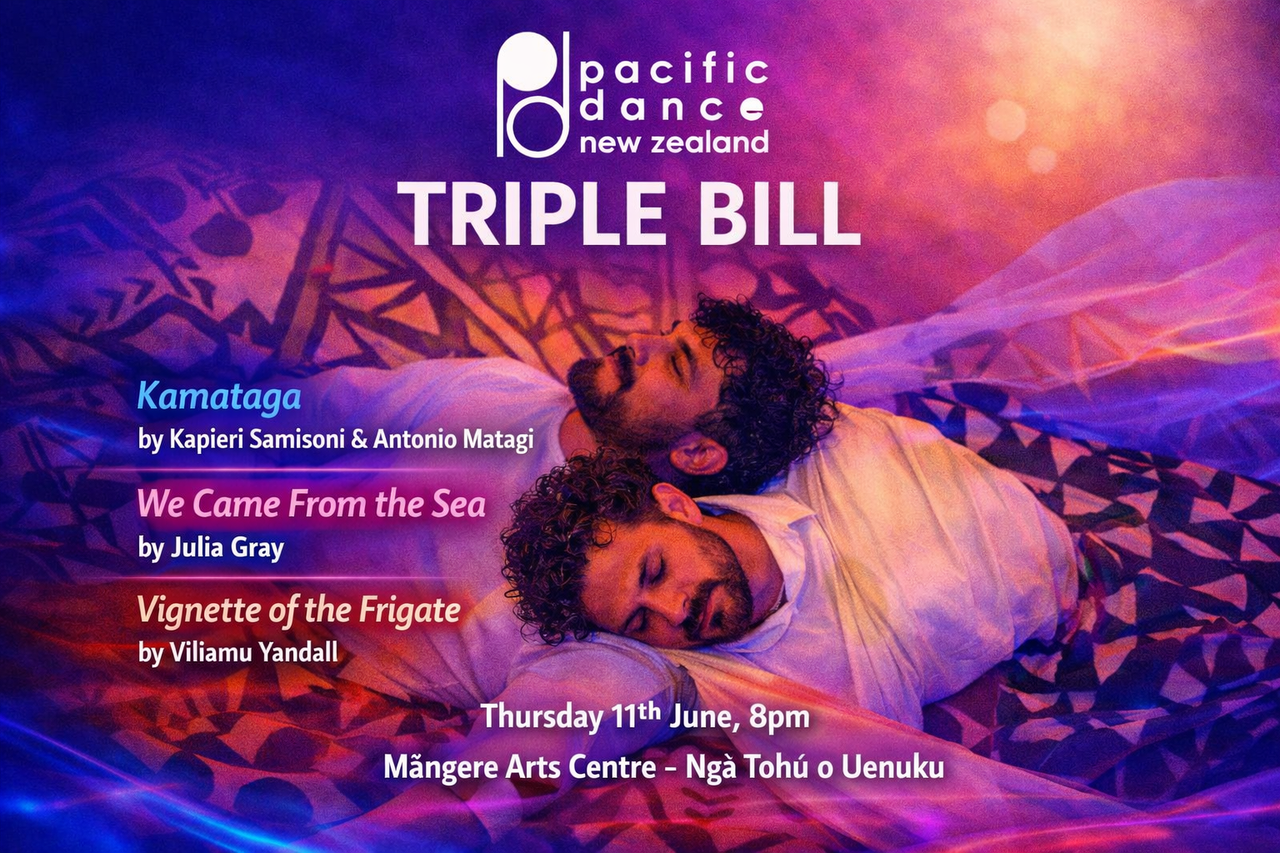
The Pacific Dance Festival 2026 brings audiences one of its most anticipated evenings of the season — the Triple Bill, a curated night of three distinct contemporary Pacific works that explore ancestry, migration, memory, and the evolving identities of our communities across the Moana.
Featuring We Came From the Sea, Vignette of the Frigate [bird], and KAMATA(A)GA, this Triple Bill offers a rare opportunity to experience three powerful choreographic voices in one unforgettable night.
Whether you’re a long‑time supporter of Pacific dance or discovering these artists for the first time, this programme is a deep dive into the stories, bodies, and movements that shape who we are.
We Came From the Sea — An Intergenerational Conversation
We Came From the Sea is a tender, evocative sharing that brings together Te Wehi Kore Karena Haraki Akuhata Grant‑Koria and Mierewai Grant‑Koria, in collaboration with Julia Mageau Gray.
This work is an intergenerational conversation — a weaving of memory, knowledge, and skin. Through movement and story, the artists explore the deep Oceanic connections that bind Pacific peoples across time and place.
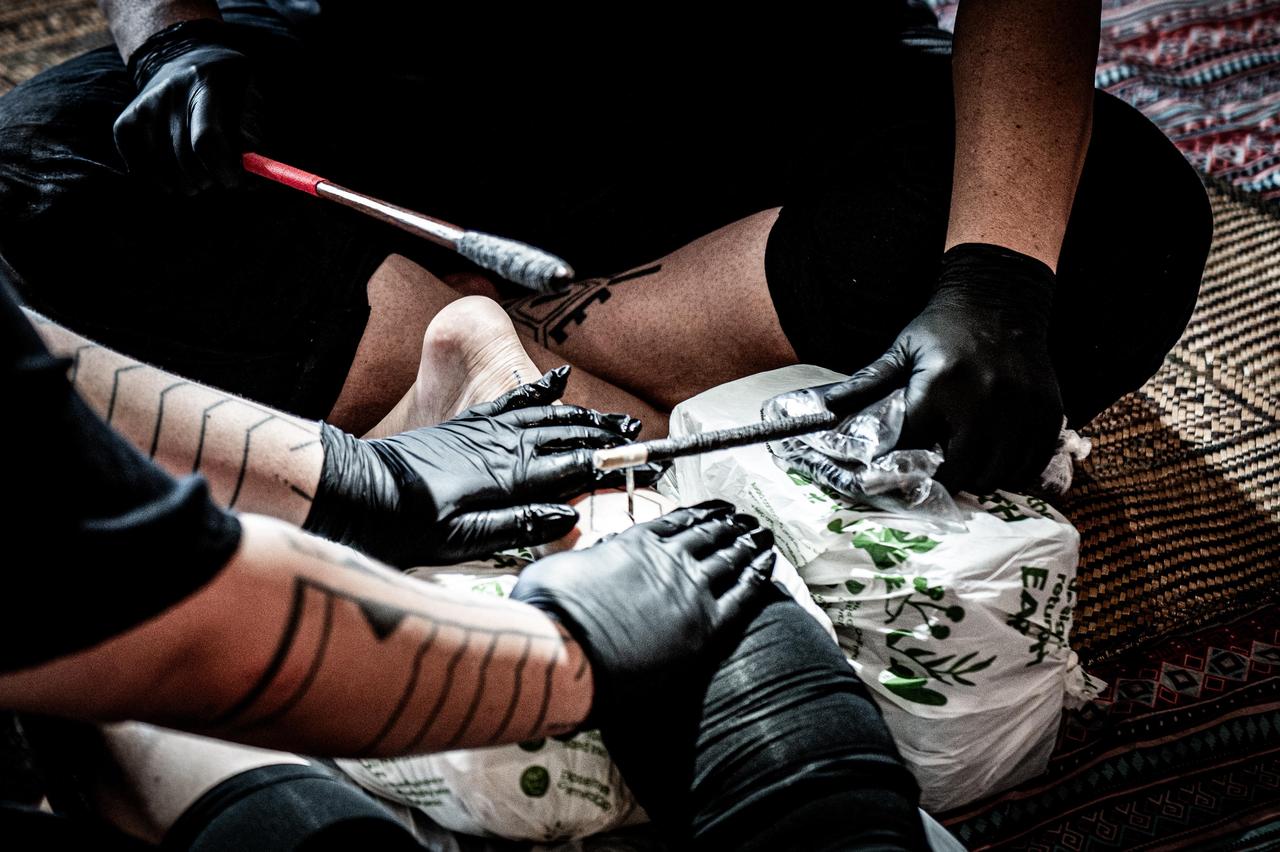
The piece draws on the linguistic, visual, and physical languages of the Moana, reminding us that our bodies are living archives — the physical representation of our many ancestors.
It is intimate, resonant, and deeply human.
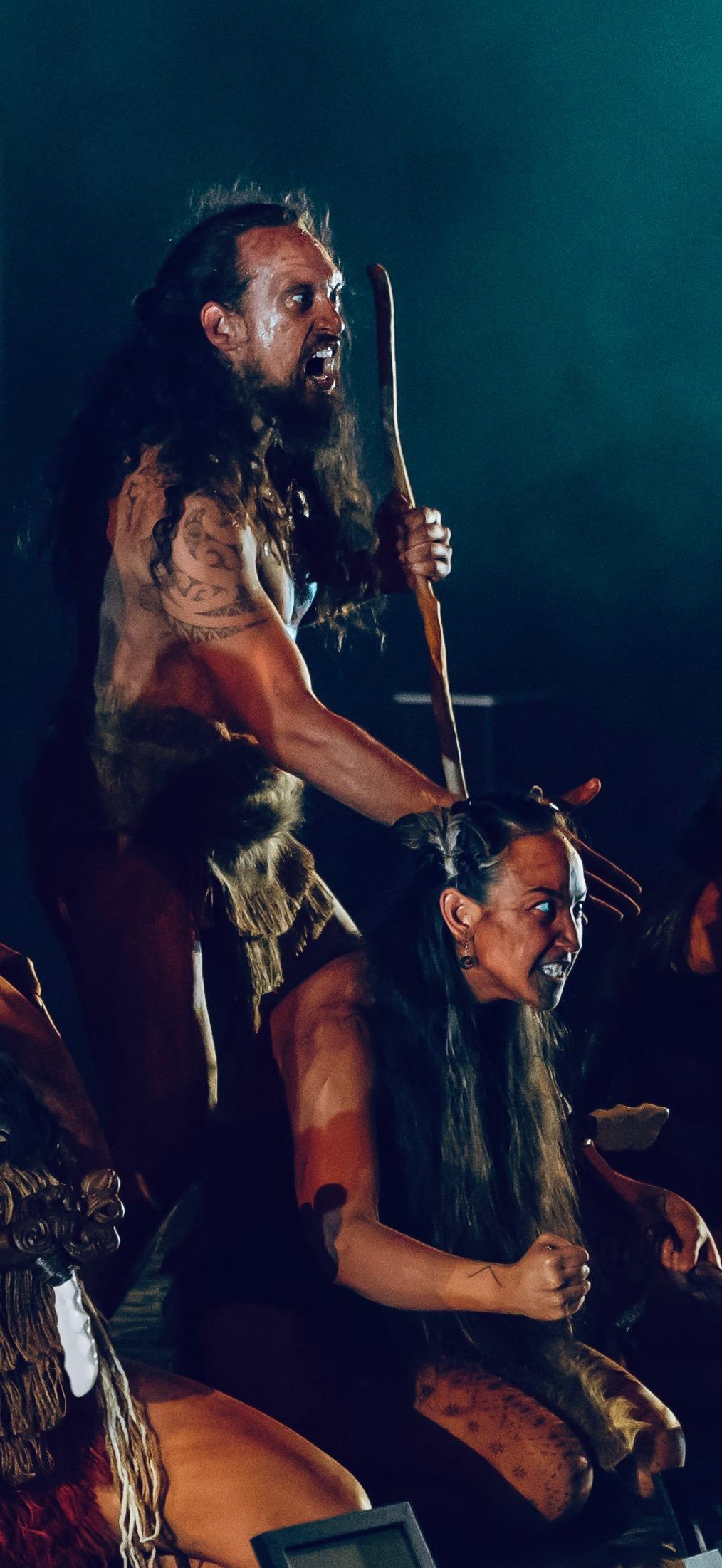
Vignette of the Frigate [bird] — Migration, Loss, and the Myth of the “Land of Milk and Honey”
In Vignette of the Frigate [bird], audiences are invited into a layered reflection on Pacific migration, particularly the Sāmoan experience of leaving home in search of opportunity.
Inspired by the choreographer’s grandmother — who migrated to Aotearoa in the 1970s before eventually returning to the islands — the work questions the long‑held belief that Western countries offer a better life.
This piece explores the duality of gain and loss:
• What do Pacific peoples gain through migration?
• What is lost in the pursuit of Western ideals of success?
• How do language, tradition, and cultural identity shift across generations?
The work speaks directly to the lived realities of diasporic communities, where the distance from homeland can reshape identity in ways that are not always visible until much later.
It is a poignant, necessary reflection on the pressures of assimilation and the resilience of cultural inheritance.
KAMATA(A)GA — A Beginning and a Continuation
KAMATA(A)GA draws from the Rotuman Kamataga and Niuean Kamataaga, both meaning “beginning.”
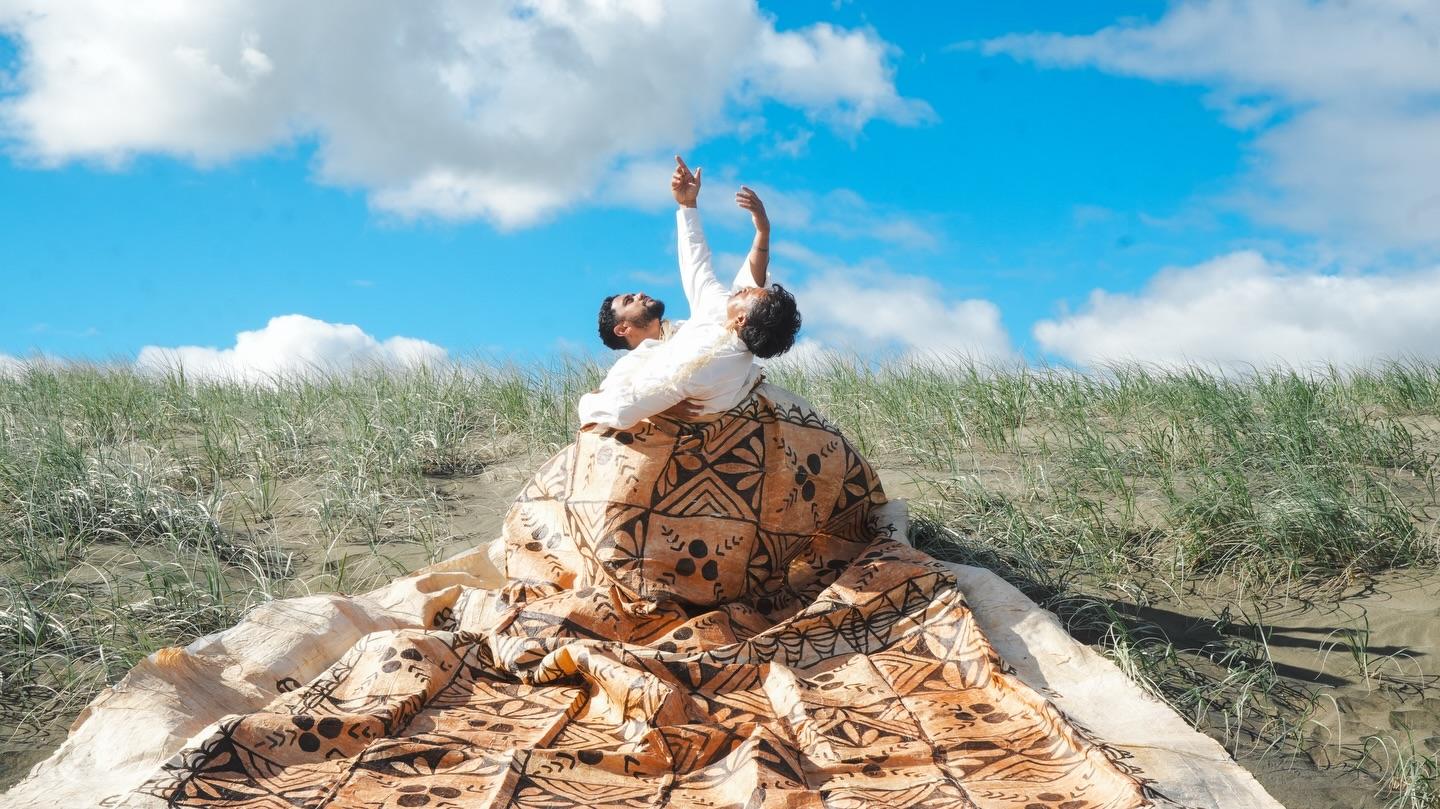
Created and performed by Kapieri Samisoni and Antonio Matagi, this contemporary Pacific dance work honours the beauty of origins, connection, and renewal.
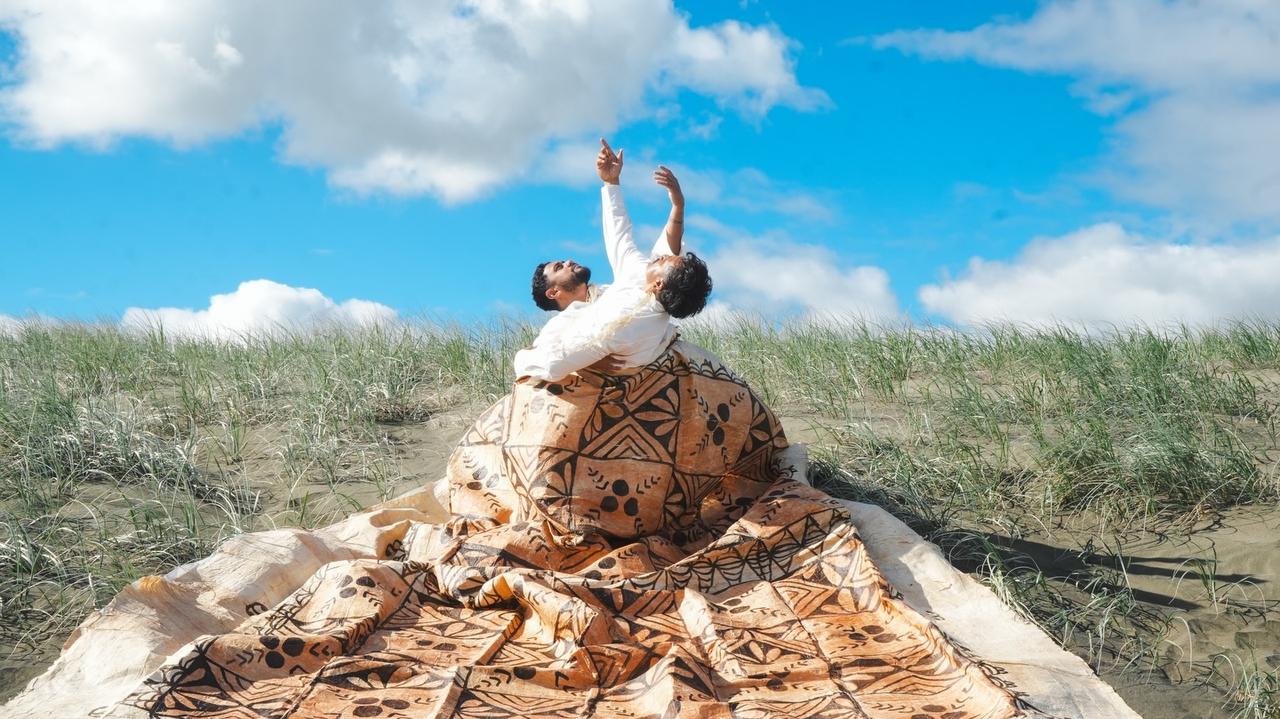
The piece merges the choreographers’ lived experiences, cultural traditions, and creative voices into a unified expression — a reminder that beginnings are not singular moments, but part of a continuum that stretches across generations.
KAMATA(A)GA is both grounding and expansive, celebrating the courage of voyagers, the strength of community, and the enduring spirit that carries Pacific peoples forward.
Why You Don’t Want to Miss the Triple Bill
The Triple Bill is more than a night of dance — it is a collective storytelling experience, a celebration of Pacific identity, and a testament to the power of movement as cultural memory.
Across these three works, audiences will encounter:
• Intergenerational knowledge
• Migration stories and diasporic realities
• Cultural beginnings and transformations
• The beauty and complexity of Pacific identity today
Each work stands powerfully on its own, but together they create a rich, layered conversation about who we are, where we come from, and what we carry into the future.
Experience the Triple Bill at Pacific Dance Festival 2026
If you’re looking for a night that will move you — emotionally, intellectually, and physically — the Triple Bill is a festival highlight you won’t want to miss.